Serving eight counties in Southwest Michigan · Environmental testing in northern IndianaCall (269) 414 0469
Tru-Spect logoTru-Spect Inspections & Environmental

A Tru-Spect Company

Tru-Spect Mold Remediation & Waterproofing

Mold remediation, crawl space encapsulation, waterproofing, and moisture control across Southwest Michigan, with pay at closing options for eligible real estate transactions.

Tru-Spect Mold Remediation & Waterproofing logo
Formerly Anti Fun-Gi Mold Remediation. Our remediation services now operate as Tru-Spect Mold Remediation & Waterproofing.

Find the cause. Plan the correction.

More than a surface fix

A musty crawl space. A wet basement after every storm. Mold that keeps returning. You deserve a plan that looks beyond what you can see.

Tru-Spect Mold Remediation & Waterproofing helps Southwest Michigan homeowners, buyers, sellers and property managers connect the cleanup with the cause. We evaluate affected materials, moisture conditions and the way you use the space, then provide a written scope built around your property.

From controlled mold removal to foundation waterproofing and crawl space moisture control, we explain what we recommend, why it matters and what comes next.

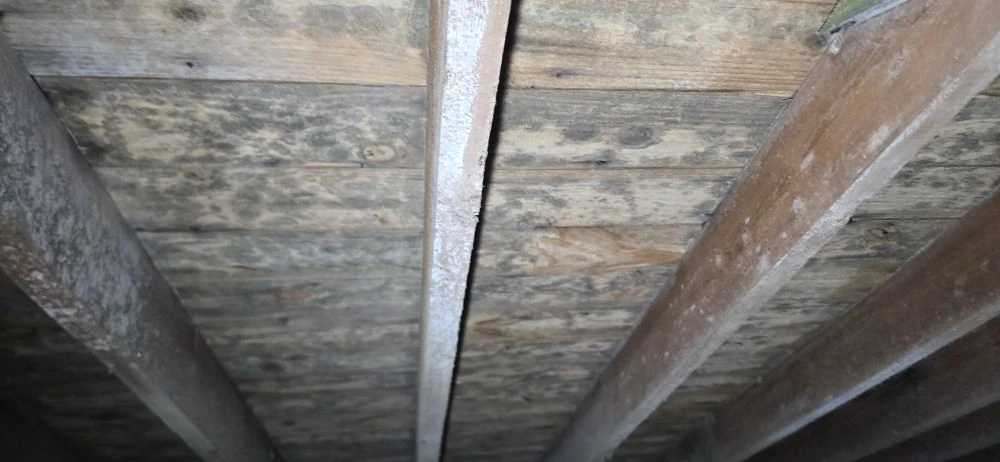
Mold like spotting on exposed wood floor framing and subflooring

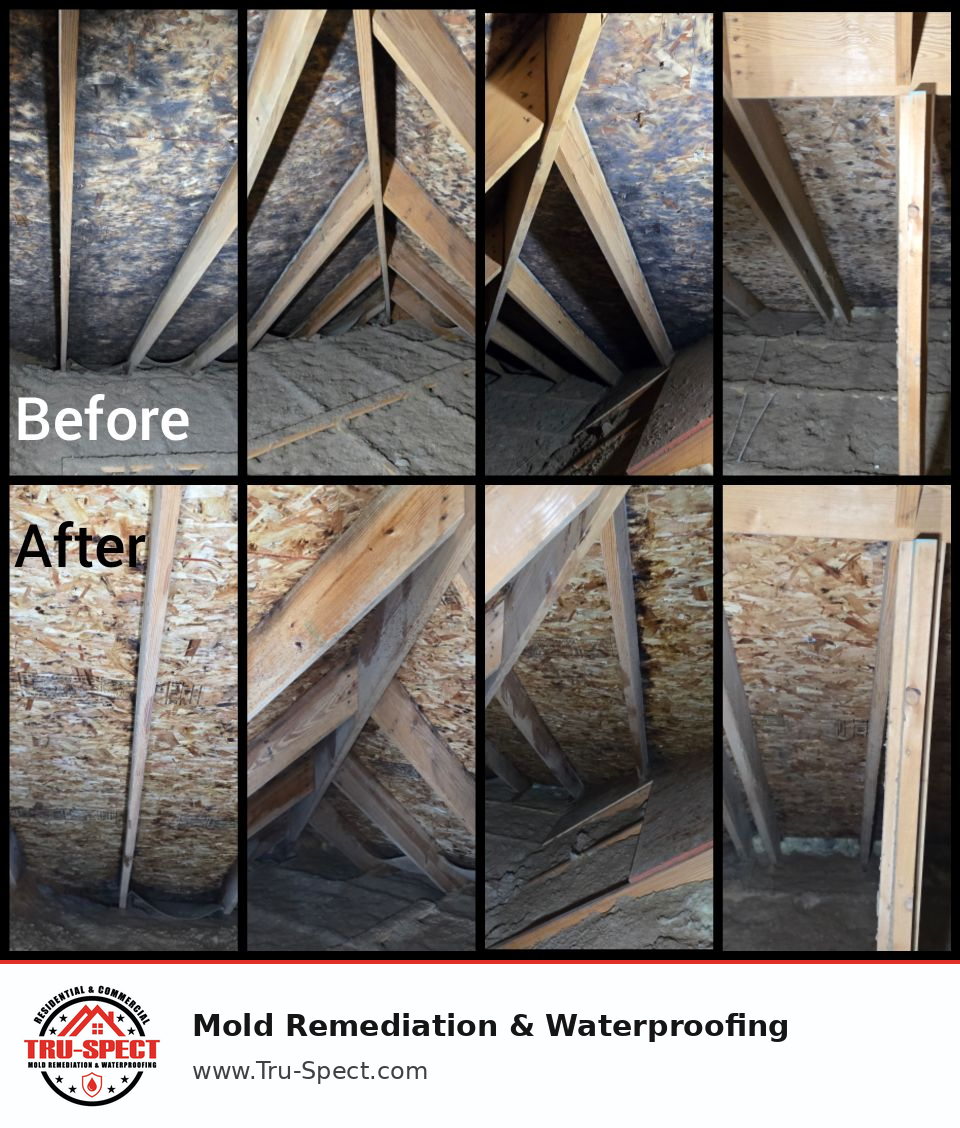
Project photos

A closer look at our work

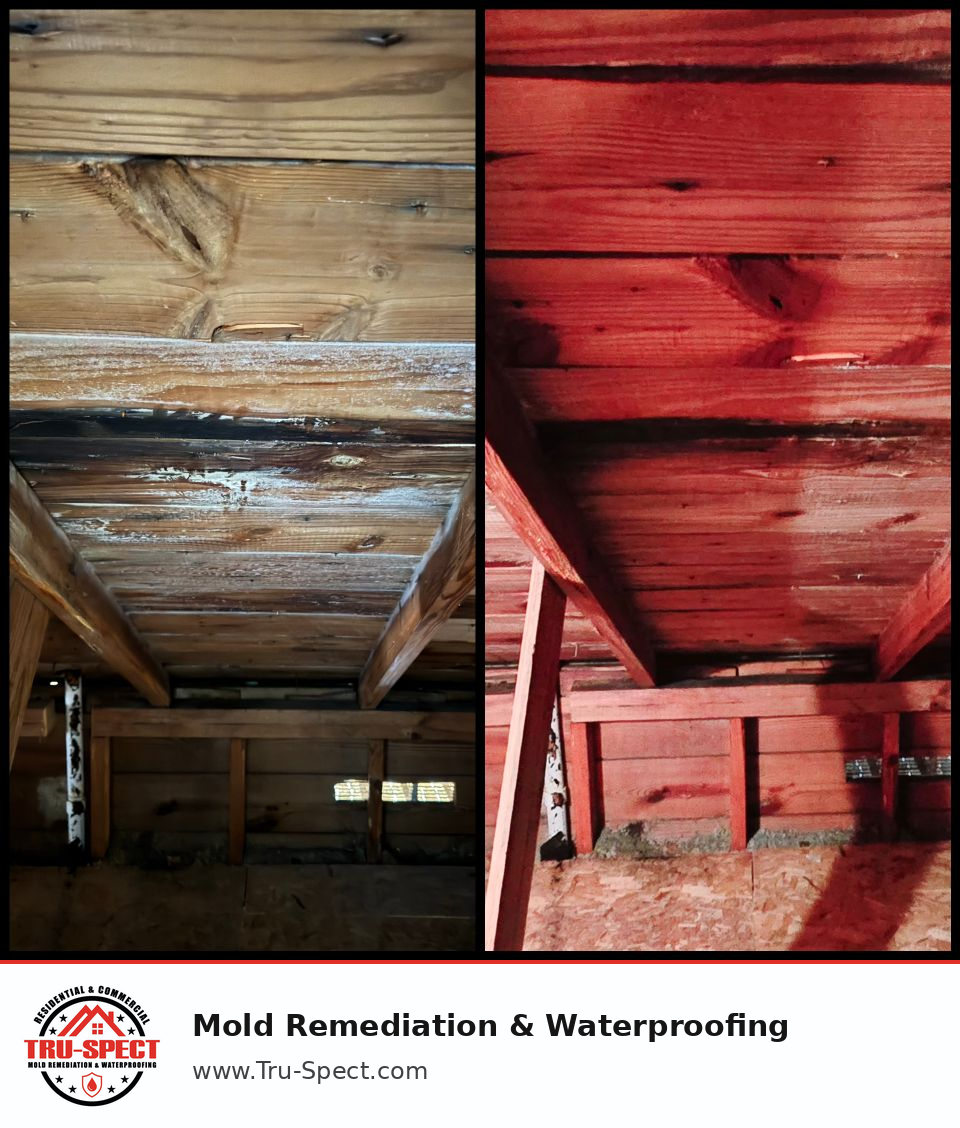
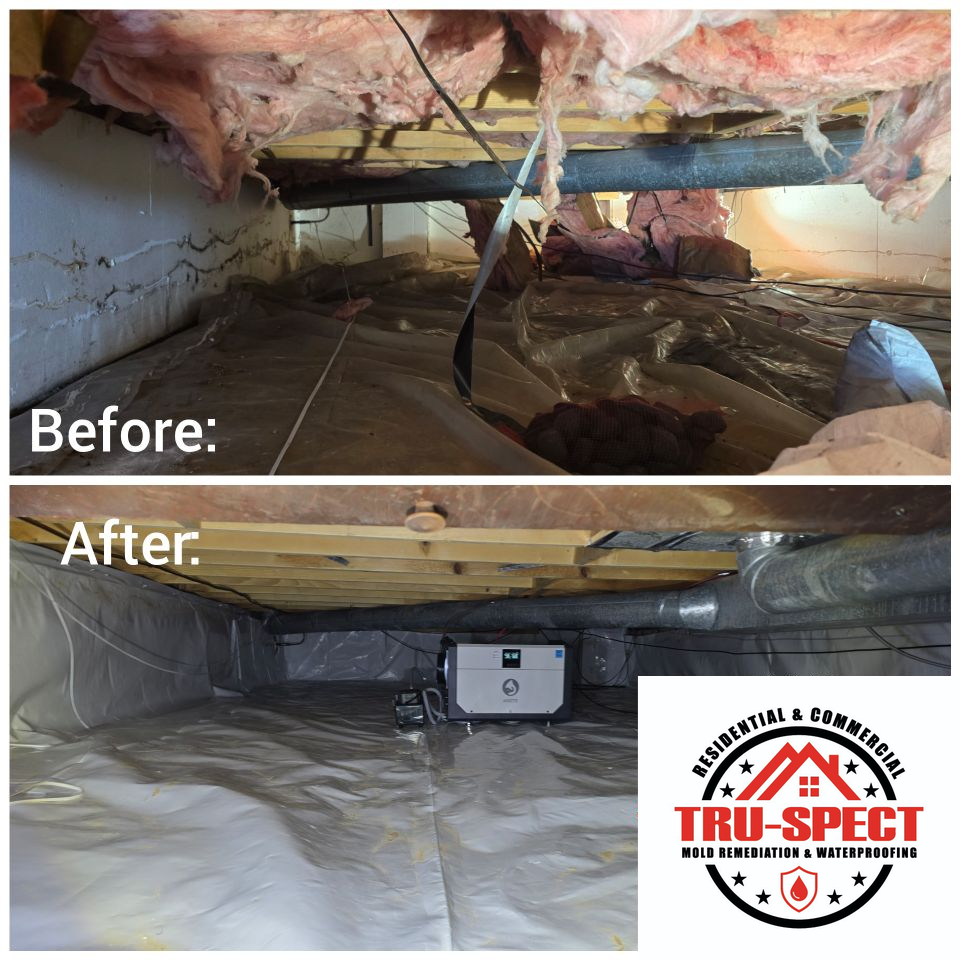
Project photos from Tru-Spect Mold Remediation & Waterproofing, including wood framing treatment, crawl space encapsulation, and attic remediation.

Select a photo to see the full image. These photos illustrate individual projects. A photo does not replace a property specific scope or post remediation evaluation.

Contain. Remove. Clean. Dry.

Mold remediation: a controlled approach

The work area matters as much as the visible growth. Our mold remediation plans bring together containment, air control, material removal and detailed cleaning for attics, basements, crawl spaces and affected living areas.

We select techniques for the materials and conditions involved. Not every project needs every system, and the written scope explains the work included.

Containment & contamination control

Before disturbing affected materials, we plan the work zone, protective barriers, access and debris route. Our setup can include sealed containment areas, protection of nearby finishes and isolation of relevant openings to help limit cross contamination during the work.

HEPA air filtration & vacuuming

Our equipment options include HEPA air filtration for the work area and HEPA vacuuming during detailed cleanup. Equipment placement and operation are planned alongside containment, material removal and surface cleaning, not offered as a stand alone cure for affected building materials.

Negative air work areas

Where the scope calls for it, we build contained negative air areas with HEPA filtered exhaust. EPA guidance describes maintaining negative pressure so air flows into containment rather than carrying contaminated air into surrounding spaces.

Selective demolition & removal

When the scope includes removal, we carefully take out affected drywall, insulation, flooring or other identified materials. We plan debris handling and removal routes with the rest of the containment process. Demolition limits and any separate reconstruction work are clarified in your proposal.

Surface cleaning & treatment

For materials selected to remain, our scope can combine HEPA vacuuming, appropriate physical cleaning and material specific treatment. We explain what will be cleaned, what will be removed and where treatment belongs in the process, rather than simply covering the visible area.

Dehumidification & moisture monitoring

We incorporate dehumidification, controlled air management and moisture checks as the project requires. Your plan distinguishes equipment used during the work from ongoing humidity control, with attention to drainage, maintenance and any moisture source that needs a separate correction.

Cleanup means more than changing the appearance: EPA guidance emphasizes removing mold contamination, drying materials and correcting moisture rather than relying on killing mold or painting over it. We discuss completion documentation and whether separate post remediation verification is appropriate for your project.

Manage the water. Protect the space.

Waterproofing that starts with the water source

A leaking crack, damp masonry and water rising at the floor edge call for different conversations. Our basement waterproofing and crawl space services focus on identifying the water pathway and choosing a practical combination of repairs, barriers and drainage.

Exterior foundation waterproofing

We offer exterior waterproofing scopes that address the outside face of the foundation where access and conditions allow. The proposal identifies excavation needs, surface preparation, appropriate waterproofing materials and how the work connects with drainage. We discuss access and disruption before work begins.

Epoxy foundation crack filling

Foundation crack filling with epoxy is an option we evaluate for suitable concrete cracks. We review crack condition, moisture and signs of movement before selecting a repair. Active leaks or movement may call for a different approach, and structural concerns require appropriate evaluation rather than a cosmetic patch.

Interior wall & floor sealant coatings

Our interior options include surface preparation and compatible wall sealant and floor sealant painting systems. We define the surfaces, preparation and coating included. These finishes are part of a property specific plan, not a promise that painting alone will resolve active water entry or foundation movement.

Crawl space encapsulation

We install crawl space vapor barrier systems with attention to seams, wall transitions, piers and penetrations. The scope can pair encapsulation with dehumidification and drainage as needed. We address existing water and affected materials in the plan rather than hiding them beneath a new liner.

Perimeter drains & water management

Perimeter drainage options are evaluated around the foundation layout and water entry pattern. We explain the proposed collection route, connection to a suitable discharge or sump system, and any floor or exterior disruption. The goal is a coordinated drainage plan, not an isolated piece of equipment.

Sump pump systems

We plan sump pump systems around the collection area, basin, pump and discharge route. Your proposal clarifies the selected components, access and maintenance needs. We can also discuss backup and alarm options, without assuming they are included in every installation.

Different systems do different jobs: University of Minnesota Extension recommends addressing moisture sources and drainage, and explains why dehumidifiers or interior coatings alone may not resolve basement water problems. We use the property assessment to explain where each proposed measure fits.

Why choose us

Built for real estate

  • Real estate expertise. We understand transaction timelines and work to meet your deadlines.
  • Pay at closing options. Address mold issues without upfront cost during a real estate transaction.
  • Certified professionals. Our team follows industry best practices for safe, effective remediation.
  • Five year warranty. Treated areas are warranted for five years when dehumidifiers remain operational and no other moisture condition causes new growth.
  • Testing and remediation under one roof. Discuss mold testing when sampling can help answer a specific question before work begins.
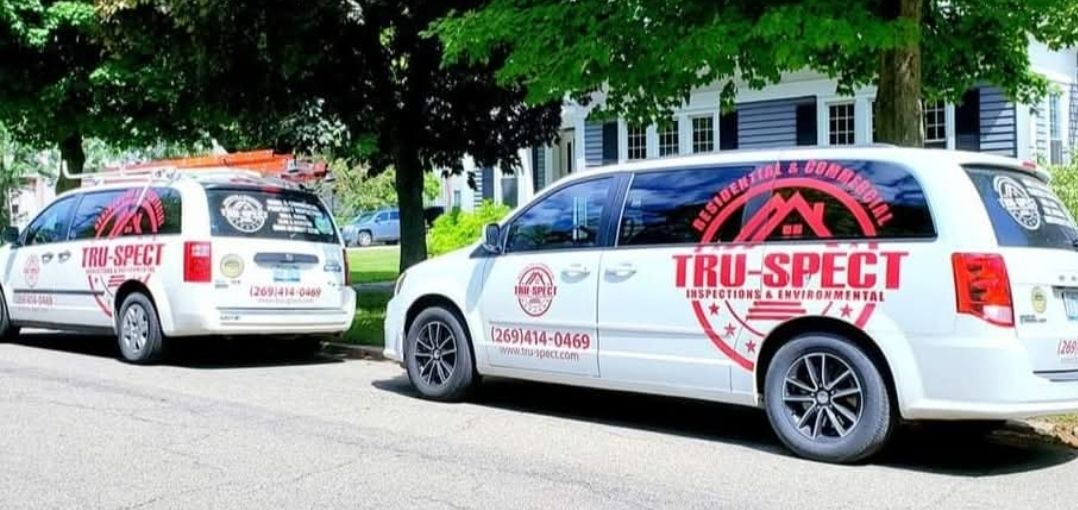
Two Tru-Spect service vans with original vehicle branding

Our process

  1. AssessEvaluate visible conditions and moisture history, with sampling when appropriate.
  2. PlanProvide a written scope and quote, including pay at closing options when applicable.
  3. RemediateContain, remove, and treat affected areas, then correct moisture conditions.
  4. ProtectEncapsulate and dehumidify as needed, with documentation and warranty.

Property owner education

Understand mold removal and moisture correction

Mold remediation, crawl space encapsulation, dehumidification, and waterproofing address related but different problems. Tru-Spect Mold Remediation & Waterproofing helps Southwest Michigan property owners establish the affected area, the likely moisture pathway, and a correction scope rather than treating every damp space the same way.

Fix the moisture problem, not just the appearance

EPA identifies moisture control as the key to mold control and warns that cleaning mold without fixing the water problem makes recurrence likely (EPA: Mold, moisture and your home). The proposed work should distinguish affected material cleanup from the measures needed to manage leaks, drainage, condensation, or other moisture sources at your property.

Know when to seek professional help

EPA recommends consulting its more detailed remediation guidance when mold covers more than about 10 square feet or there has been extensive water damage, and calls for experienced professional help when sewage or other contaminated water is involved (EPA: Mold, moisture and your home). Describe the water source and extent of damage when requesting a quote so the evaluation can account for more than the visible patch.

Humidity control is one part of the plan

EPA recommends keeping indoor relative humidity below 60 percent if possible, ideally between 30 and 50 percent (EPA: Mold, moisture and your home). A dehumidifier, ground membrane, drainage improvement, and active water entry correction have different purposes. Your written proposal should identify which measures are included and any conditions the work does not resolve.

Look for a documented remediation process

IICRC's S520 public overview covers professional mold remediation procedures, safety, documentation, structural and contents remediation, and post remediation verification (IICRC: S520 Professional Mold Remediation Standard Overview). Discuss the actual work plan, precautions, exclusions, and completion documentation before approving work. This educational reference does not imply an IICRC certification or make every procedure part of every project.

After your report or service

EPA notes that visible mold often does not require sampling and that there are no federal mold limits for certifying compliance (EPA: Mold testing or sampling). Discuss completion documentation and whether a separate post remediation assessment is appropriate for your project, and keep moisture control equipment maintained under the proposal's instructions and warranty terms rather than treating cleanup as a promise against all future water events.

Learn from established organizations

Trusted references & further reading

Explore the original guidance below for more detail. These independent resources are for education. They do not imply endorsement, membership, or certification by the referenced organization or replace your property's agreed service scope.

  • IICRC: S520 Professional Mold Remediation Standard Overview

    Read the publisher's public overview of mold remediation procedures, precautions, documentation, and verification. The complete standard is a separate publication.

    View reference address

    https://iicrc.org/s520/

  • EPA: Mold, moisture and your home

    Read practical guidance on moisture prevention, cleanup, humidity, and when to seek professional help.

    View reference address

    https://www.epa.gov/mold/brief-guide-mold-moisture-and-your-home

  • EPA: Mold testing or sampling

    Learn when sampling may be useful and why mold results are not a federal pass or fail certification.

    View reference address

    https://www.epa.gov/mold/mold-testing-or-sampling

Frequently asked questions

Can I pay for mold remediation at closing?

Yes. Pay at closing options are available for eligible real estate transactions. Follow the guidelines and instructions in the confirmation email we send you. Contact the office if you have questions about your transaction.

Is there a warranty?

Treated areas are covered by a five year warranty, provided dehumidifiers remain operational and no other moisture condition causes new growth.

Do you test before remediation?

We start with the property's concerns, visible conditions, and moisture history. Mold testing is available when sampling can answer a useful question. It is not automatically required for every remediation project, and a sample alone does not establish the full extent or cause of a problem.

What is crawl space encapsulation?

Encapsulation seals the crawl space floor and walls with a heavy vapor barrier and controls humidity, reducing the moisture that allows mold and wood decay to develop.

Will every mold project need demolition?

No. Our proposed scope distinguishes materials selected for cleaning from affected materials selected for removal. If opening an area reveals additional damage, we discuss the findings and any scope changes before proceeding with additional work.

What does negative air mean during remediation?

Negative air is a controlled airflow setup for the contained work area, not a treatment applied to the whole home. We discuss containment and HEPA filtered exhaust arrangements as part of the project plan. EPA explains negative pressure containment and its role in limiting the spread of mold.

Can sealant paint alone fix a wet basement?

We do not present wall or floor coatings as a substitute for correcting an active leak or drainage problem. Your proposal identifies where coatings fit and whether crack repair, exterior work, drainage or a sump system is also appropriate. University of Minnesota Extension explains the limitations of interior coatings without drainage.

How do you choose between exterior waterproofing and interior drainage?

We review where and when water appears, foundation conditions, access and existing drainage before recommending a scope. The proposal explains the recommended approach, disruption, included work and any separate repairs rather than assuming every property needs a complete perimeter system.

What happened to Anti Fun-Gi Mold Remediation?

Anti Fun-Gi Mold Remediation is now Tru-Spect Mold Remediation & Waterproofing. Same team, same real estate focus, and the same pay at closing options.
Southwest Michigan

Service areas

Tru-Spect provides mold remediation, waterproofing, crawl space encapsulation, and dehumidification throughout Southwest Michigan, serving property owners, buyers, sellers, municipalities, agencies, and property professionals in these eight Michigan counties.

Local communities we serve

  • St. JosephMichigan
  • KalamazooMichigan
  • Battle CreekMichigan
  • South HavenMichigan
  • AlleganMichigan
  • NilesMichigan

Serving these communities and surrounding areas throughout our eight county Michigan service area.

Explore Service Areas & Coverage →

A quote and appointment for your property

Remediation and waterproofing projects need a property specific scope and quote. Contact us directly to discuss the conditions, pricing, and appointment availability. These services are arranged through our office, not through the online inspection scheduler.

Have a mold or moisture problem?

Tell us about the property and your timeline. We will discuss the scope, provide a quote, and arrange the next step directly with you.