Short term results versus a year round average
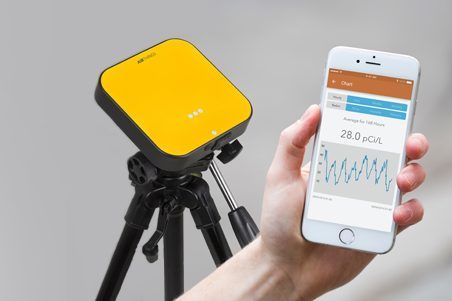
EPA's real estate guide calls for radon tests lasting at least 48 hours and explains that long term tests of more than 90 days are more likely to represent a home's year round average (EPA: Home buyer's and seller's guide to radon). Confirm the planned test duration and your transaction deadline when scheduling, since a short visit is not a substitute for the full measurement period.
Prepare the house, not just the test location
For a short term test lasting two to four days, EPA calls for closed house conditions for at least 12 hours beforehand and throughout the test, with normal entry and exit allowed (EPA: Home buyer's and seller's guide to radon). Follow the written instructions for your appointment, tell all occupants about the test, and do not move or interfere with the monitor.
Understand the action guidance
EPA recommends fixing a home when the average from an active continuous monitor real estate test is 4 pCi/L or higher and says to consider fixing between 2 and 4 pCi/L because levels below 4 still pose risk (EPA: Home buyer's and seller's guide to radon). We can discuss the result, the test conditions, and appropriate follow up without presenting the action level as a boundary between zero risk and risk.
Professional measurement involves a defined protocol
ANSI/AARST publishes separate standards for residential radon measurements, measurement quality assurance, and other building types (ANSI/AARST: Radon Measurement & Mitigation Standards). Tell us the building use and purpose of the test when scheduling. Ask which protocol and any applicable state requirements govern the appointment. A standards reference is not a substitute for the agreed testing conditions.