When is sampling helpful?
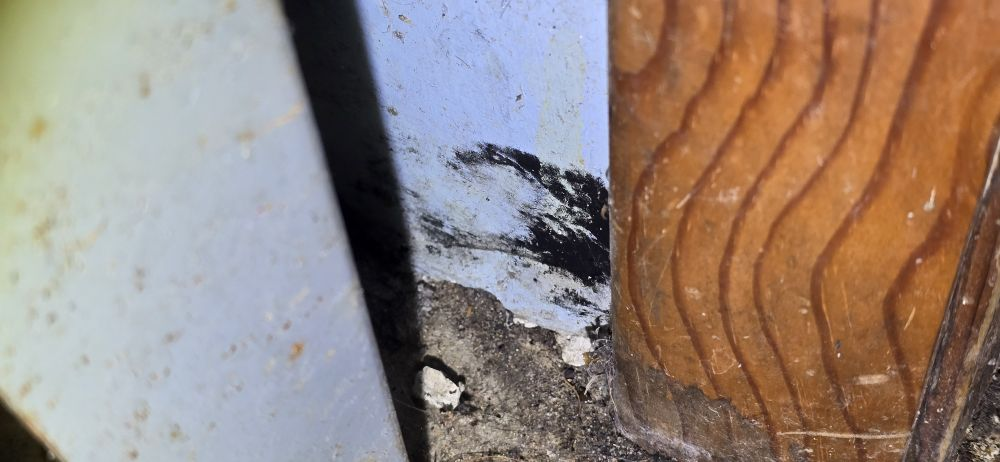
EPA says sampling is unnecessary in most cases when visible mold growth is present, while surface sampling may be useful in assessing whether an area has been adequately cleaned (EPA: Mold testing or sampling). Tell us whether you are investigating an odor, documenting a concern, or discussing post remediation conditions so we can consider whether sampling adds useful information.
There is no federal mold pass or fail number
EPA and other federal agencies have not established limits for mold or mold spores, so sampling cannot establish compliance with federal mold standards (EPA: Mold testing or sampling). We explain the selected sample type and its limitations rather than presenting a laboratory result as a guarantee that a home is mold free or safe for every occupant.
The moisture source still matters
EPA emphasizes that mold cleanup must be accompanied by correction of the water problem or mold is likely to return (EPA: Mold, moisture and your home). Tru-Spect's moisture meter observations and thermal imaging help guide the investigation, but imaging is not a mold identification test and does not reveal every concealed condition.
Assessment and remediation are different assignments
IICRC's S520 overview describes professional mold remediation procedures and includes inspection, documentation, and post remediation verification among its topics (IICRC: S520 Professional Mold Remediation Standard Overview). Testing and corrective work therefore need clear, separate scopes. Ask what the assessment covers, what the proposed remediation includes, and who will evaluate completion rather than assuming a sample result supplies every part of that process.