When should I install a radon mitigation system?
The U.S. EPA recommends fixing a home when radon levels are 4.0 pCi/L or higher, and suggests considering mitigation between 2.0 and 4.0 pCi/L.
How long does installation take?
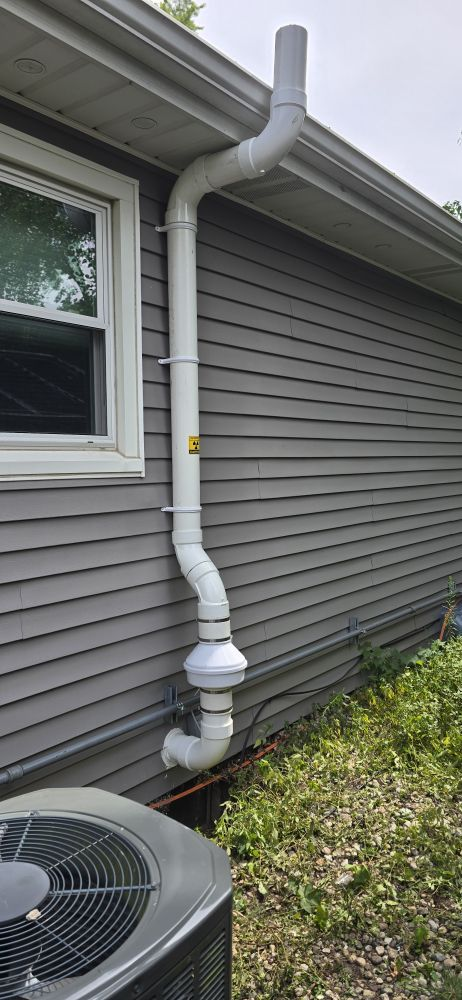
Most residential systems are installed in one day, depending on the foundation type and home layout.
How do I know the system is working?
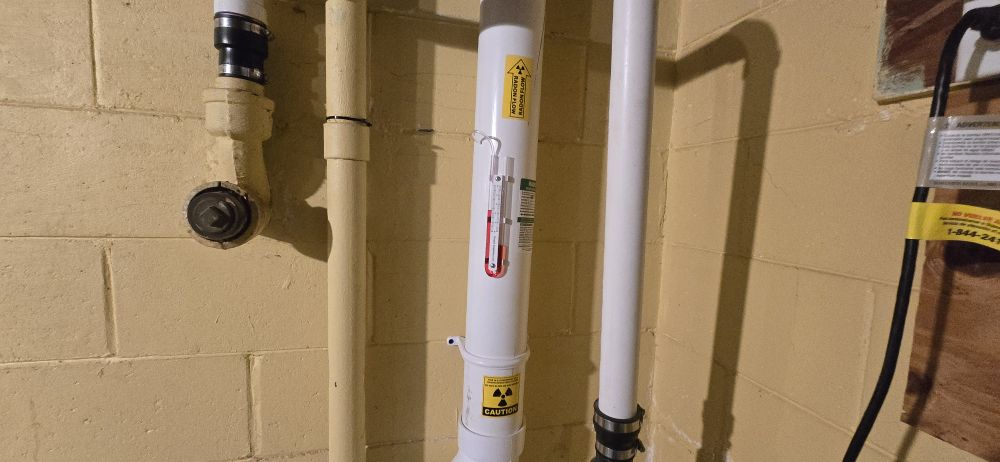
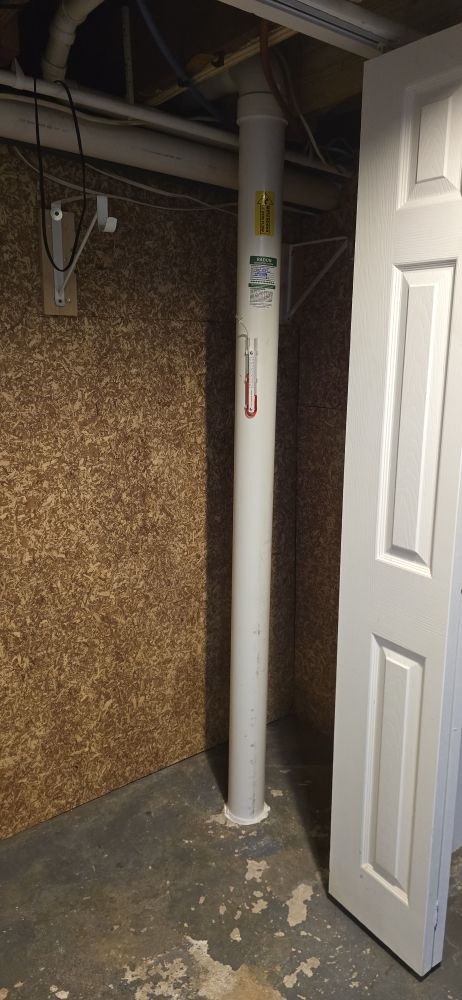
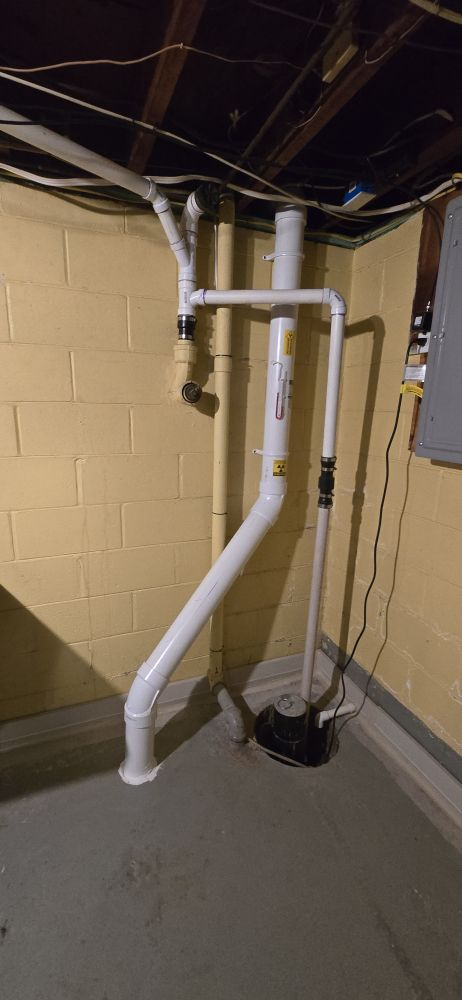
Each system includes a pressure indicator, and we recommend a post installation radon test to confirm reduced levels.
Do you handle crawl spaces and slab homes?
Yes. Systems are designed for basements, slabs, crawl spaces, and combination foundations.
Can mitigation be completed before closing?
Yes. We work around real estate timelines and can coordinate testing and installation for buyers and sellers.
Can you use my existing sump pump pit?
We evaluate the pit, drainage connections and how it communicates with the area beneath the slab before recommending sump suction. The design must preserve water drainage, pump operation and service access. An existing pit does not automatically mean a separate suction point will be unnecessary.
Will my addition need another suction point?
Possibly. We assess the addition's foundation and how air moves beneath it before deciding. Separate foundation areas may need additional suction points connected to a shared system, or a different arrangement. The layout and diagnostic findings guide the design, not square footage alone.
Is activating a passive system less expensive?
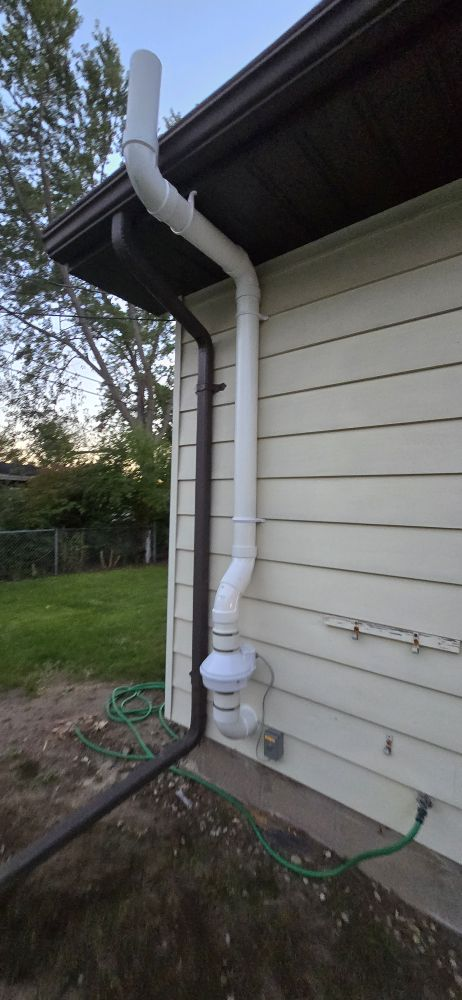
It can be when a usable vent stack, suitable fan location and electrical preparation are already present. We inspect the existing setup before quoting because incomplete piping, access limitations, electrical work or additional suction points can change the scope. We do not assume an attic is ready for a fan just because a pipe is labeled radon.
Will filling basement floor cracks solve radon on its own?
Crack sealing is supporting work in our mitigation plans, not a substitute for a designed system and follow up radon measurement. EPA explains that sealing can improve other radon reduction techniques but has not consistently reduced radon enough on its own.